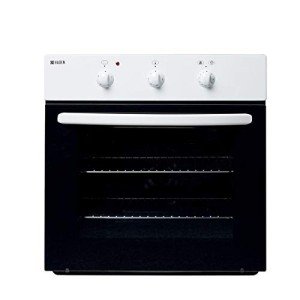
Built In Oven And Hob Deals
Add a review FollowOverview
-
Sectors Banking & Loan Services
-
Posted Jobs 0
-
Viewed 24
Company Description
15 Best Oven And Hob Bloggers You Need To Follow
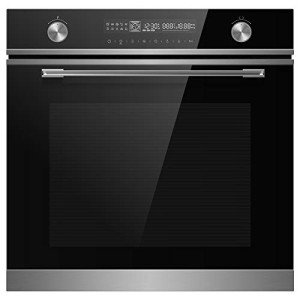
The Complete Guide to Ovens and Hobs: Choosing the Right Appliances for Your Kitchen
When it pertains to developing culinary masterpieces, the importance of quality kitchen appliances can not be overstated. Ovens and hobs are the heart of any kitchen, making it possible for home cooks and expert chefs alike to produce, bake, and sauté scrumptious meals. Comprehending the various kinds of ovens and hobs, in addition to their features and performances, is important for making educated buying decisions. This short article offers an extensive take a look at ovens and hobs, assisting you browse the options available so that you can enhance your kitchen’s efficiency and versatility.
Comprehending Ovens
Ovens are essential for cooking and baking and been available in different types to meet diverse culinary needs. Here is an overview of the most common kinds of ovens:
1. Conventional Ovens
Standard ovens work by heating the air inside with gas or electric elements. They are ideal for baking cakes, roasting meats, and cooking casseroles.
2. Convection Ovens
These ovens use a fan to circulate hot air, supplying an even temperature throughout, which can considerably minimize cooking times. They are perfect for baking cookies or roasting vegetables.
3. Microwave Ovens
Microwaves prepare food quickly utilizing electromagnetic radiation. They are perfect for reheating leftovers or thawing frozen foods but are not appropriate for browning or crisping.
4. Wall Ovens
Incorporating a wall oven into your kitchen style can conserve space and create a streamlined visual. They operate similar to traditional or stoves however are built into the wall for easy access.
5. Range Ovens
These ovens integrate stovetop burners with an oven, providing versatility for those who prefer a single appliance for all cooking needs.
| Type | Cooking Method | Best For |
|---|---|---|
| Conventional | Electric/Gas | Baking, roasting |
| Convection | Air blood circulation | Quick cooking, even baking |
| Microwave | Electromagnetic | Reheating, defrosting |
| Wall Ovens | Electric/Gas | Space-saving, streamlined style |
| Variety Ovens | Electric/Gas | Flexible cooking |
Checking out Hobs
Hobs, also called cooktops or stovetops, offer the surface area to cook pans directly over a heat source. Like ovens, hobs come in various types, which can be categorized as follows:
1. Gas Hobs
These hobs utilize a flame for cooking and supply immediate heat control. They are preferred by many chefs for their responsiveness and precision.
2. Electric Hobs
Electric hobs use coils or flat surface areas to heat pans. They use a consistent heat source, but they might take longer to cool down compared to gas hobs.
3. Induction Hobs
Induction hobs use electromagnetic energy to heat pots and pans straight, making them extremely efficient and much faster to prepare. They are likewise simpler to clean up as the surface area remains relatively cool.
4. Solid Plate Hobs
These are older technology that utilizes solid metal plates to supply heat. They are resilient but are less effective than modern alternatives.
| Type | Heat Source | Advantages | Disadvantages |
|---|---|---|---|
| Gas Hobs | Flame | Instant heat control | Needs gas connection |
| Electric Hobs | Electric coils | Consistent heat | Slower to cool down |
| Induction Hobs | Electromagnetic | Fast cooking, energy-efficient | Needs suitable cookware |
| Solid Plate Hobs | Solid metal plate | Sturdiness | Less efficient |
Picking the Right Appliances
Selecting the ideal oven and hob for your kitchen includes thinking about various elements:
1. Space and Layout
Step your kitchen location to determine the size and positioning of the oven and hob. Guarantee there is appropriate ventilation, specifically for gas appliances.
2. Cooking Style
Think about how frequently you cook and the type of meals you prepare. A stove might match devoted bakers, while somebody who frequently stir-fries may prefer an induction hob.
3. Energy Source
Choose the energy source that best fits your way of life. Gas provides instant control, while electric and induction hobs supply ease of use and are typically more energy-efficient.
4. Budget
Identify your budget for kitchen devices. Ovens and hobs differ significantly in rate, depending on functions and brands. Focus on vital functions that fulfill your requirements.
5. Functions
Look for performances such as self-cleaning options, smart innovation compatibility, specific rack setups for ovens, and safety features for hobs.
Regularly Asked Questions (FAQs)
Q1: What is the difference in between a traditional oven and a convection oven?A1: Conventional ovens warm the air within without fans, while stove use a fan to flow hot air for more even cooking. Q2: Can I utilize aluminum pots and pans on induction hobs?A2: No, induction hobs require ferrous (magnetic )products like cast iron or stainless steel to work successfully. Q3: Do gas hobs heat quicker than electric hobs?A3: Yes, gas hobs provide immediate heat, making them much faster for cooking compared to electric hobs. Q4: Is it safe to utilize a microwave oven?A4: Yes, when used according to the producer’s instructions, microwave are thought about safe for cooking.
Q5: How typically should I clean my oven and hob?A5: For optimal efficiency, clean your oven routinely, especially after spills. Hobs should be wiped down after each usage
to avoid buildup. Ovens and hobs
are essential elements of a fully equipped kitchen. Comprehending the numerous types, their functionalities, and the factors to consider included in buying
them can significantly improve cooking experiences. Whether one is a casual home cook or an expert chef, investing time in picking the Best oven appliances can cause culinary success and fulfillment in the kitchen. By prioritizing functions that align with your cooking design, energy sources that fit your home, and budget plan considerations, you can create an effective office that influences cooking creativity.